




Shipping Cargo to Cambodia via Binh Hiep – Prey Vor Border Gate: Transit, Official & Informal Trade
As the Moc Bai – Bavet border crossing grows increasingly congested, the Binh Hiep (Long An) – Prey Vor (Svay Rieng) route is becoming a trusted alternative for businesses moving cargo into Cambodia. Located at the end of National Highway 62 and connecting directly to Cambodia’s National Road 1 toward Phnom Penh, it is a stable, low-congestion road corridor with steadily improving infrastructure.
As a specialist on this lane, we provide a complete range of solutions: transit cargo from Cat Lai Port, official freight from Ho Chi Minh City, full customs clearance, and informal/lumpsum shipments to Binh Hiep – Prey Vor – Phnom Penh.
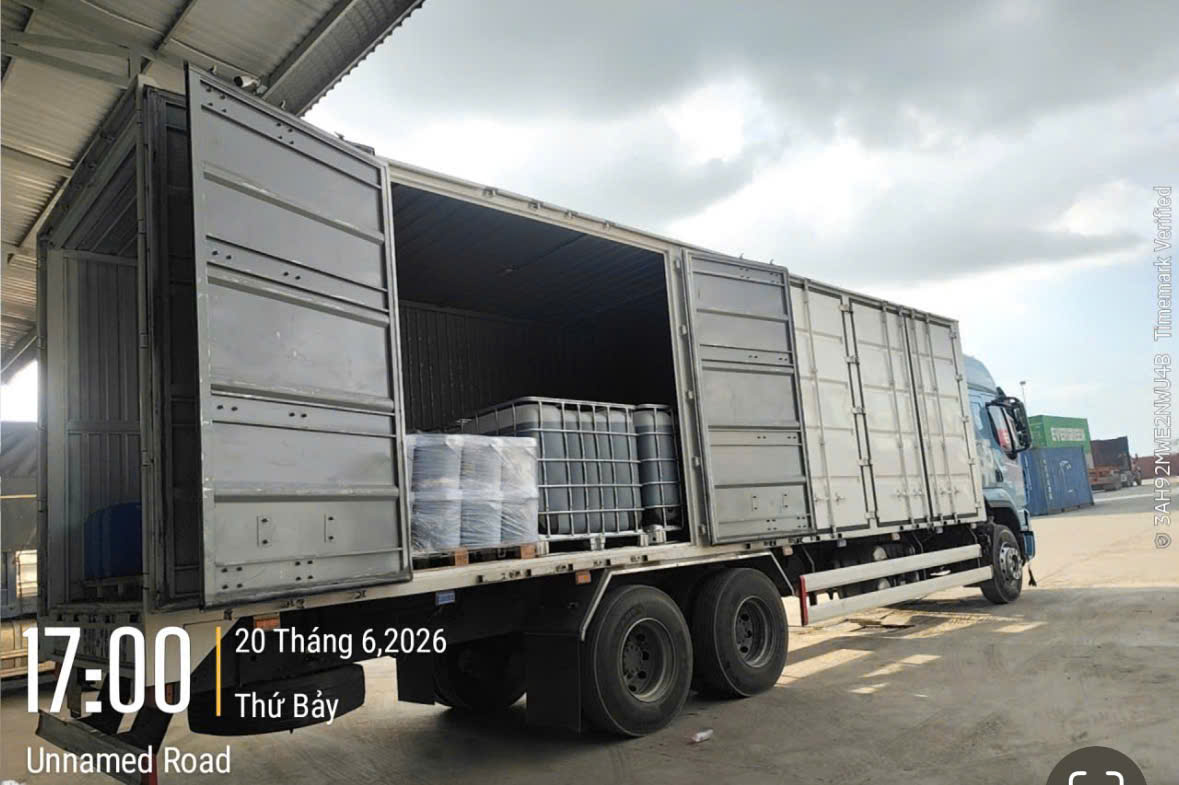
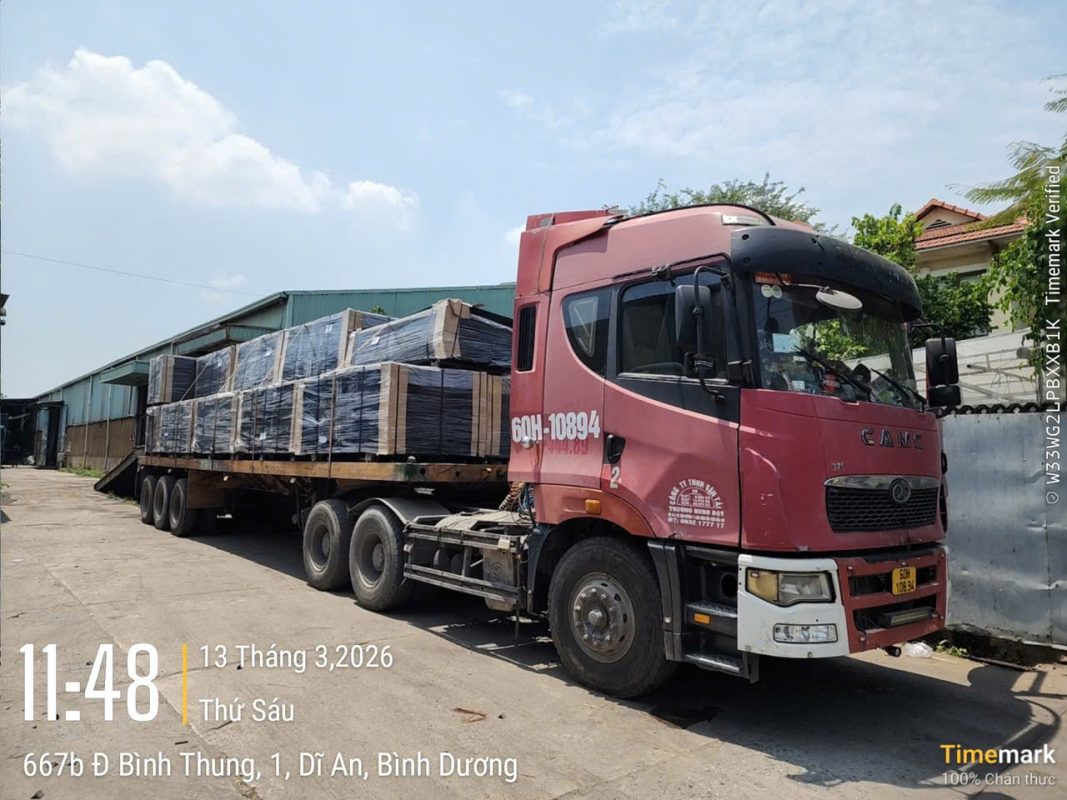
1. Transit Cargo from Cat Lai Port to Binh Hiep / Prey Vor
Transit cargo refers to goods originating from a third country, cleared at a Vietnamese port and moving across the border into Cambodia without being consumed in the Vietnamese market. Cat Lai is the largest container port in southern Vietnam, so most transit cargo bound for Cambodia departs from here.
The key advantage of the Binh Hiep route for transit cargo is smoother traffic than Moc Bai, which keeps containers from sitting idle at peak season. For international shipments that must keep to a tight connecting schedule, this is a very real benefit.
2. Official Freight from Ho Chi Minh City to Binh Hiep / Prey Vor
Official trade means shipments backed by a commercial contract, invoice, complete documentation and a customs declaration, with the shipper (Vietnam) and consignee (Cambodia) clearly named on the declaration. It is the sustainable choice for long-term business, as it produces a valid document set for accounting, tax refunds and preferential tariff treatment under ASEAN.
Cargo can move as full truckload (FTL) or consolidated (LTL), using dry vans, reefers or containers depending on the commodity. Everything is delivered door to door — picked up at your warehouse in Vietnam and delivered to the destination in Cambodia.